
When working with Quercetin Powder solubility and stability of the material is closely related to the conditions surrounding it. Quercetin is a plant flavonol which has a yellow crystalline appearance. It has limited solubility in water whilst its behaviour varies in organic solvents and alkaline media. Light, oxygen, temperature, pH and storage conditions can all affect the chemical properties of the material. An understanding of these factors will help formulation teams to plan appropriate tests, handling procedures and packaging options.
This guide is a review of the main material properties and the practical considerations for the development of the material. Published results may vary with the test method, solvent composition and sample condition. Always check critical values with a validated method and the specification for the actual batch.
1. Study of the Physicochemical Properties of Quercetin Powder
Quercetin has the molecular formula C15H10O7 and a molecular weight of about 302.24 g/mol. It is usually described as a yellow crystalline powder. The structure of quercetin contains five hydroxyl groups and a conjugated flavonol system. These features lead to its interactions with solvents, pH, oxygen and metal ions [1, 2].

For the evaluation of materials appearance alone is not sufficient. A useful profile would include identity and assay, related substances, water content, particle size distribution, bulk handling properties, colour and storage related changes. Literature values for melting range and solid state behaviour may be used in the identification of a material. However the results may vary with purity, crystal form and test conditions. Use the current product specification and certificate of analysis for the decision on batches.
2. Key factors affecting the solubility of quercetin powder
Quercetin has low water solubility in many of the common test conditions. The aromatic structure and crystal lattice of quercetin limit its interaction with water. Solubility may change with temperature, pH, solvent composition and the presence of other formulation ingredients [1, 3].
pH is especially important as in alkaline media quercetin can ionise more readily which may increase its apparent solubility. The same conditions can also lead to chemical degradation of the compound. A clear solution does not necessarily mean that the compound is chemically intact.
Temperature can improve dissolution in some systems but heat may also increase degradation. For this reason solubility studies should monitor the amount dissolved as well as the chemical integrity of the sample.

3. Understanding the effects of light, oxygen and humidity on quercetin stability
The stability of quercetin depends on its environment. There have been studies which have reported oxidative changes when quercetin solutions come into contact with atmospheric oxygen. The amount of degradation can increase with the length of time of exposure [4]. Light can also affect quercetin but the effect depends on the formulation matrix and the irradiation conditions [5].
Temperature and pH are also important. There have been studies which report a faster degradation in some high temperature and alkaline conditions. The metal ions and other formulation components may also affect the oxidation pathways [2, 3]. And these findings explain why one stability result cannot represent all products or storage systems.

Humidity should be given careful consideration for powders. Moisture may affect the handling of the powder and it may also affect the reactions in mixtures. In one study quercetin powder was found to be stable during a defined eight week humidity study whilst other co-formulated ingredients showed different behaviour [6]. This result should not be treated as a general shelf-life claim.
A practical stability study can look at light exposure versus protected storage, air or oxygen exposure, temperature and relative humidity, assay, impurity profile, colour and physical appearance over time. The use of light protective packaging and moisture barriers should be made where supported by product specific stability data. The material should be stored in accordance with its approved label and supplier's instructions. A shelf life should not be assigned based on general literature only.
4.Understanding the solubility of Quercetin in water and organic solvents
Water is often a difficult medium for quercetin as its aqueous solubility is low. The published numerical values are not always consistent. The differences may be due to temperature, pH, equilibration time, analytical method and whether the test measures true molecular solubility or apparent dispersion [1, 3].
Quercetin generally has better solubility in the selected organic solvents. There is literature concerning ethanol, methanol, dimethyl sulfoxide and other organic media. The exact result will depend on solvent grade, temperature and test protocol [1, 3]. The choice of solvent must also take into account the intended application as well as the applicable safety and regulatory requirements.
When comparing solvents use a controlled study rather than a visual check. Use solvents which are suitable for the formulation being made, set a defined concentration and temperature, separate the undissolved material, quantify the dissolved quercetin using a qualified method and check for degradation during the test.
5.Common problems in quercetin powder dissolution and handling
The developer may suffer from slow wetting, incomplete dissolution, precipitation upon dilution and colour changes during the processing. Such problems may arise from the particle properties, the solvent composition, pH changes, temperature or oxidation. A change in appearance should lead to an investigation of the cause rather than an assumption as to the cause.

In the normal handling of the material minimise unnecessary exposure to strong light and open air. Containers should be kept closed when the material is not in use. Use clean, dry tools and follow appropriate humidity controls. Do not change the pH or heating conditions without having compatibility and stability data. Record the storage conditions, the sampling and any changes observed.
B2B buyers should ask for a current specification, representative certificate of analysis, test methods, packaging information, storage guidance and available stability information. They should also confirm whether the supplied grade of product meets the required compendial or customer standard. It should not be assumed that a company level quality statement applies to all products or batches.
We at TNJONE have over ten years' experience in the field of pharmaceutical raw materials, operating as a high-tech company that integrates research, production, and sales. We operate a GMP-compliant factory in Huyi District, Shaanxi Province, equipped with dedicated QA and QC personnel, as well as comprehensive analytical and production equipment. We also offer OEM/ODM services and support for third-party testing. We advise buyers to check the applicable documentation and specifications for the particular Quercetin Powder grade in question.
Conclusion
Quercetin Powder has several formulation challenges as its solubility and stability are dependent upon environmental conditions. The water solubility is limited whilst the composition of the solvent and pH can change the dissolution behaviour. Oxygen, light, temperature and humidity may affect the chemical stability. A controlled test plan, appropriate packaging and batch specific quality documents help the team to make informed decisions regarding the development and sourcing of the product.
For Quercetin Powder inquiries and technical information please contact sales@tnjone.com.
References
D'Andrea G. Quercetin: A flavonol with multifaceted therapeutic applications? Fitoterapia. 2015;106:256-271.
Biological Activities, Chemical Stability, Metabolism and Delivery Systems of Quercetin: A Review. Trends in Food Science & Technology. 2016.
Abraham MH, Acree WE Jr. On the solubility of quercetin. J Mol Liq. 2014;197:157-159.
On the Stability of the Bioactive Flavonoids Quercetin and Luteolin under Oxygen-free Conditions. Analytical and Bioanalytical Chemistry. 2012.
The Influence of UV Radiation on the Degradation of Pharmaceutical Formulations Containing Quercetin. Molecules. 2020; 25.
West ME, Mauer LJ. Development of an integrated approach for the stability testing of flavonoids and ascorbic acid in powders. Food Chemistry. 2011;129(1):51-58.
Image and data notes
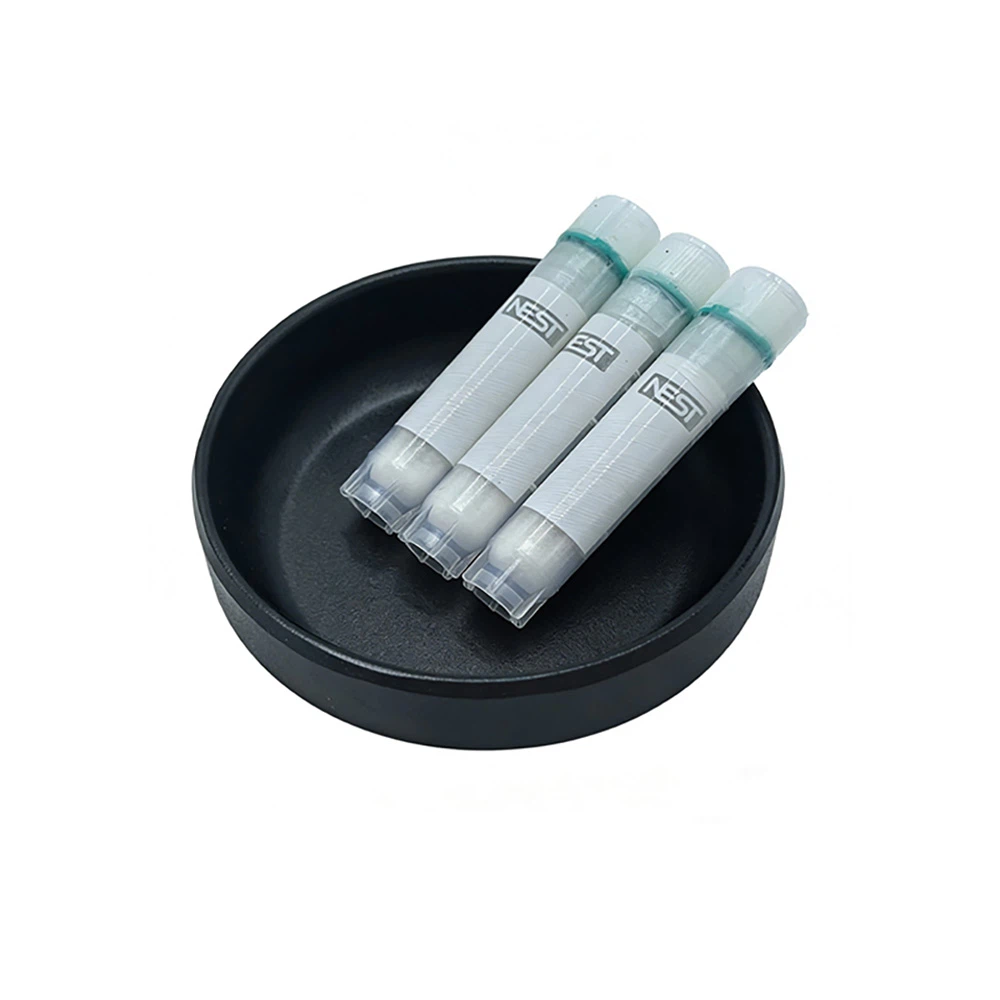
All the figures are educational in nature. They do not show measured solubility results, actual crystal microscopy, validated chromatograms or TNJONE facilities. In order to confirm the product specific claims use the current technical documents and batch records.