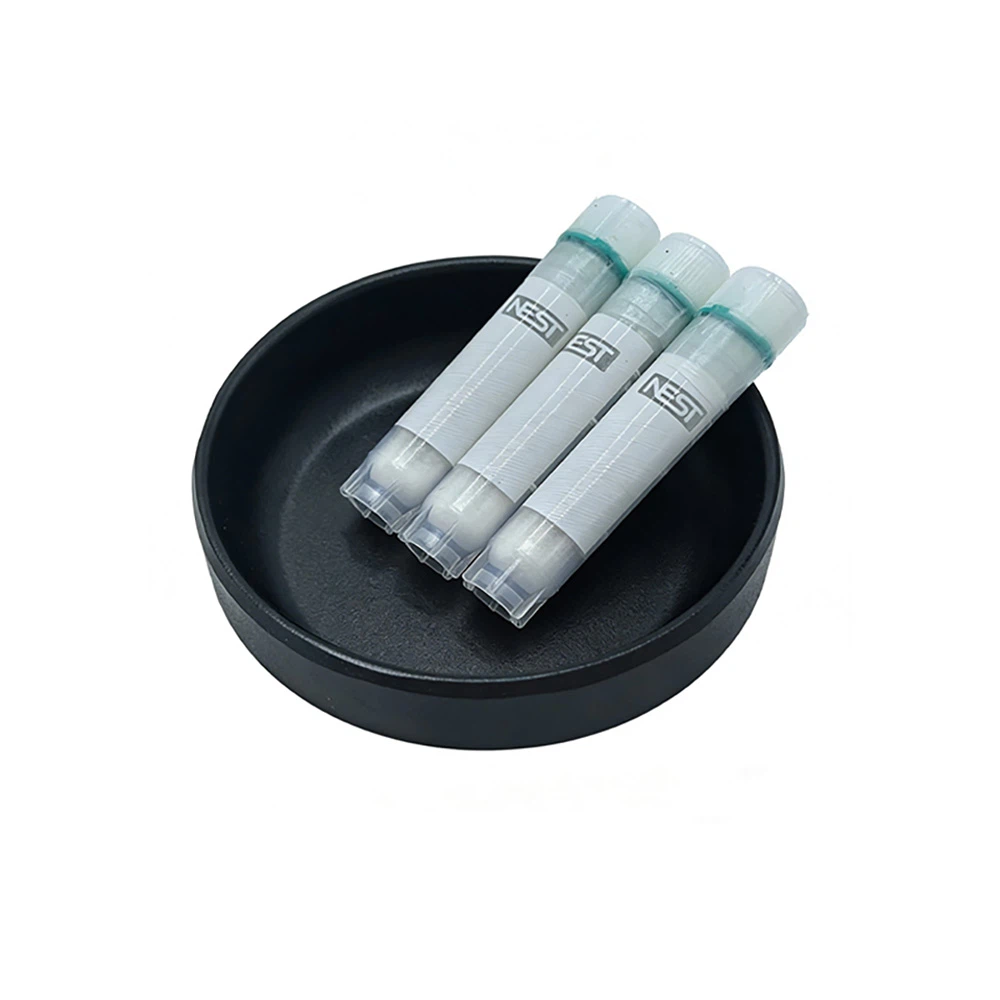

L-carnitine powder CAS 541-15-1 is a small zwitterionic compound with well-defined chemical and physical properties. If you work with this raw material, its molecular structure, water interaction, and storage behavior are worth understanding.
L-carnitine is also known as levocarnitine. Its chemical formula is C7H15NO3, and its molecular weight is 161.20 g/mol. The substance has a quaternary ammonium group, a hydroxyl group, and a carboxylate group. These structural features help explain its high water solubility and hygroscopic nature.
1. Chemical Structure and Molecular Formula of L-Carnitine
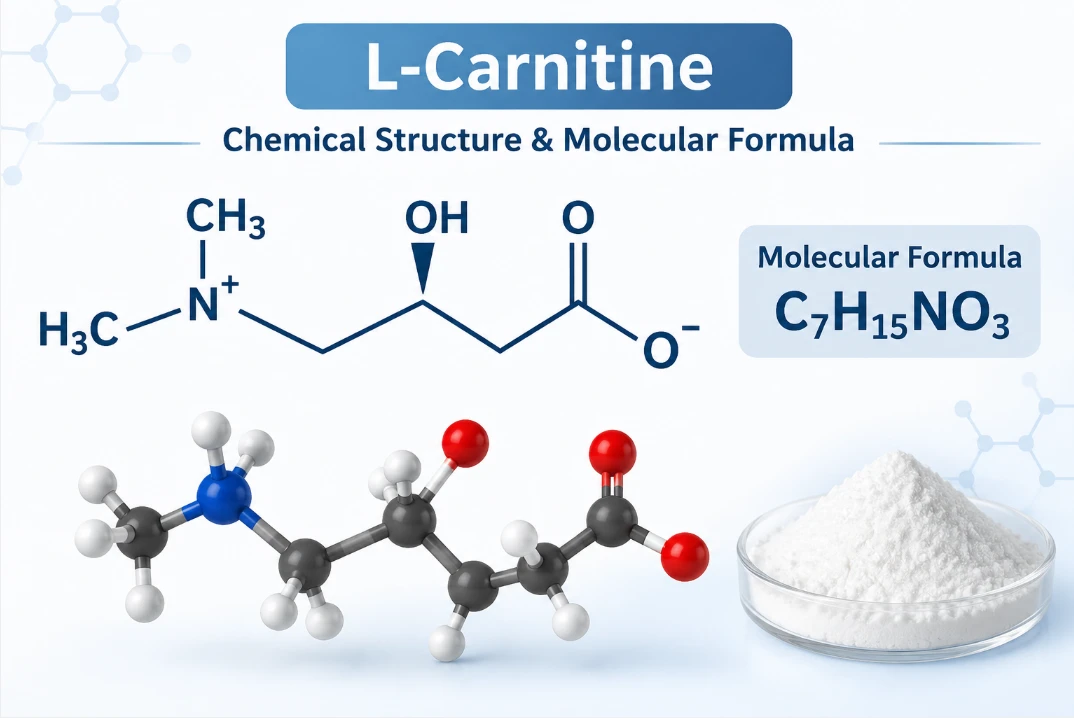
L-carnitine has the chemical name (3R)-3-hydroxy-4-(trimethylazaniumyl)butanoate. Its CAS number is 541-15-1.
The molecule contains seven carbon atoms, fifteen hydrogen atoms, one nitrogen atom, and three oxygen atoms. Its molecular formula is C7H15NO3.
L-carnitine is a chiral compound. The L-form has a specific three-dimensional configuration. This structural feature distinguishes it from other stereoisomeric forms of carnitine.
Its structure contains several important functional groups:
Quaternary ammonium group
Hydroxyl group
Carboxylate group
Chiral carbon center
The molecule exists as a zwitterionic structure. It carries both positive and negative formal charges within the same molecule. This feature strongly influences its interaction with water and other polar environments.
2. Molecular Weight and Key Molecular Properties of L-Carnitine
The molecular weight of L-carnitine is 161.20 g/mol. This value is listed by PubChem and USP/FCC references.
|
Property |
L-Carnitine |
|
CAS Number |
541-15-1 |
|
Molecular Formula |
C7H15NO3 |
|
Molecular Weight |
161.20 g/mol |
|
Chemical Name |
(3R)-3-hydroxy-4-(trimethylazaniumyl)butanoate |
|
Common Name |
L-Carnitine |
|
Physical Form |
White crystals or crystalline powder |
The molecular structure also affects its polarity. PubChem reports a topological polar surface area of 60.4 Ų for carnitine. Its polar groups help explain its strong interaction with water.
When you purchase L-carnitine raw material, these identifiers provide a simple way to confirm that the material matches the intended compound.
You should compare the CAS number, molecular formula, molecular weight, and analytical data on the supplier's documents.
3. Physical Appearance and Basic Physical Properties of L-Carnitine Powder
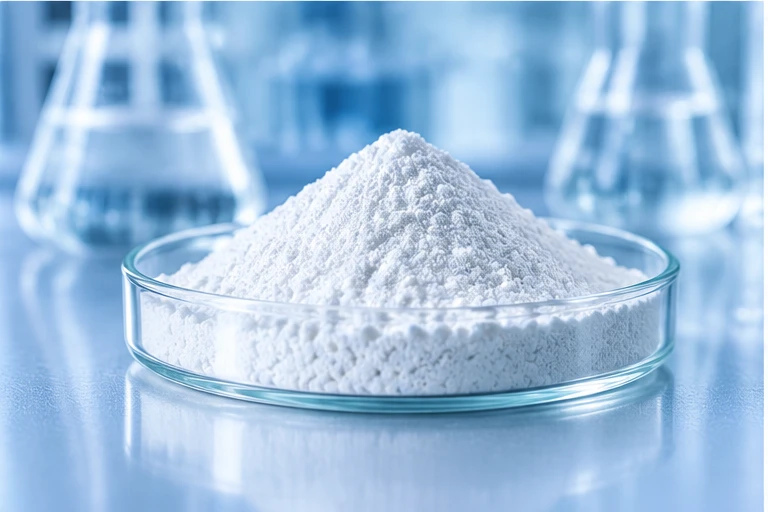
L-carnitine commonly appears as a white crystalline powder or white crystals. USP/FCC information describes it as a white, crystalline, hygroscopic powder. It is also freely soluble in water.
Its physical properties are important during storage and manufacturing.
White crystalline appearance
Hygroscopic behavior
High water solubility
Low solubility in some less-polar organic solvents
Thermal decomposition rather than a simple melting process
USP/FCC references report decomposition without melting at about 185°C to 195°C. This value should not be treated as a processing temperature recommendation. Actual handling conditions should follow the applicable product specification.
The physical form can also affect material handling. Fine powders may respond differently to humidity than larger crystals.
4. L-Carnitine Stability Under Different Environmental Conditions
Environmental conditions can affect the physical and chemical quality of L-carnitine powder.
Temperature, humidity, light, and packaging all deserve attention during storage. You should always follow the supplier's specific storage requirements instead of applying one condition to every L-carnitine product.
Temperature control helps reduce unnecessary changes during long-term storage. A cool and controlled environment is commonly recommended for laboratory L-carnitine materials. Some commercial specifications recommend refrigerated storage, while others provide different conditions.
Packaging also matters. A tightly closed container can reduce contact with moisture from the surrounding air.
Light exposure may also need control. Some commercial laboratory suppliers recommend protection from light and moisture. These conditions can vary between suppliers and grades.
For B2B purchasing, I recommend checking these points before placing a bulk order:
Recommended storage temperature
Moisture protection requirements
Container type
Shelf-life information
Batch-specific Certificate of Analysis
Applicable testing standards
This information gives you a clearer picture of how the material should be handled after delivery.
5. Hygroscopicity and Moisture Considerations for L-Carnitine Powder
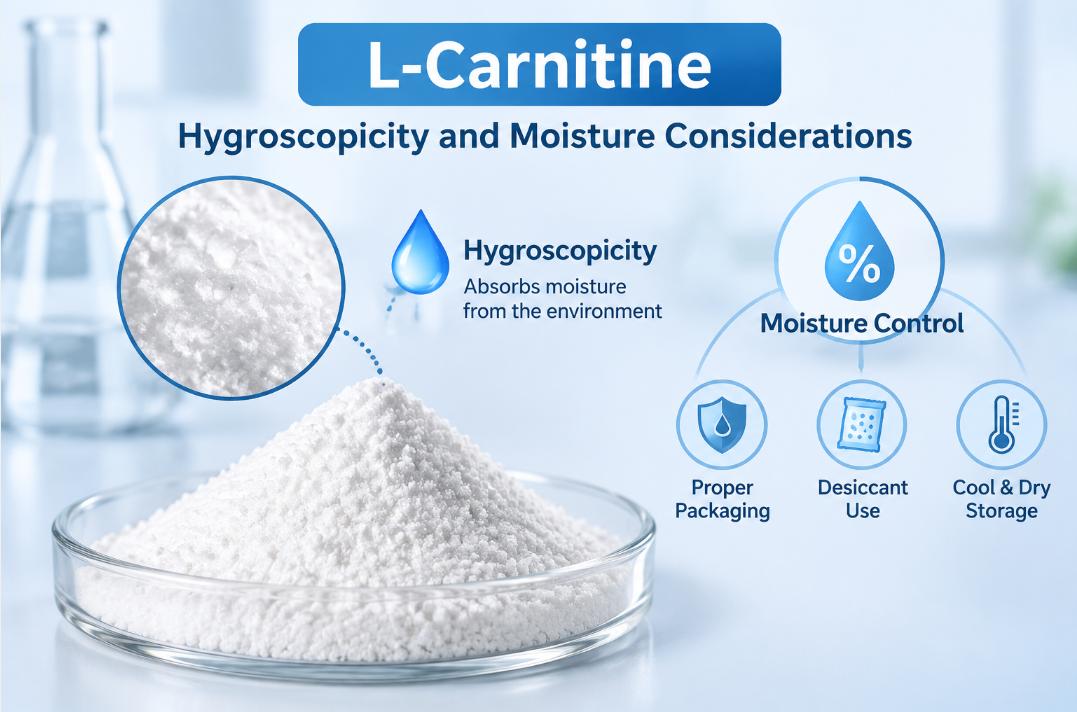
Hygroscopicity is one of the most important physical characteristics of L-carnitine powder.
A hygroscopic material can absorb moisture from its surrounding environment. L-carnitine is widely described as hygroscopic in pharmacopeial and laboratory references.
Moisture can change the handling properties of a powder. It may also affect flow behavior, weighing, and processing.
This issue becomes more important during large-scale manufacturing. Research on carnitine-based formulations has reported manufacturing challenges linked to hygroscopicity.
Good handling practices include:
Keep the container tightly closed.
Minimize unnecessary exposure to room air.
Use clean and dry handling equipment.
Avoid repeated opening of bulk containers.
Control humidity during powder processing when needed.
Follow the supplier's storage instructions.
You should also distinguish between L-carnitine free base and different L-carnitine salts. Their moisture behavior can differ. A specification for L-carnitine base should not automatically apply to L-carnitine tartrate or another salt.
6. FAQ
Q1:What is the molecular formula of L-carnitine?
The molecular formula of L-carnitine is C7H15NO3. Its CAS number is 541-15-1.
Q2:What is the molecular weight of L-carnitine?
L-carnitine has a molecular weight of 161.20 g/mol.
Q3:Is L-carnitine powder hygroscopic?
Yes. L-carnitine is described as a hygroscopic crystalline powder in USP/FCC references. Moisture control is important during storage and handling.
Q4:What does L-carnitine powder look like?
L-carnitine generally appears as white crystals or white crystalline powder. Its exact particle appearance can vary with manufacturing and processing conditions.
Q5:Is L-carnitine soluble in water?
Yes. L-carnitine is freely soluble in water according to USP/FCC information.
Q6:What should I check when buying L-carnitine powder?
I recommend checking the CAS number, molecular formula, molecular weight, appearance, purity specification, moisture information, storage conditions, and Certificate of Analysis.
Can TNJONE provide L-carnitine customization services?
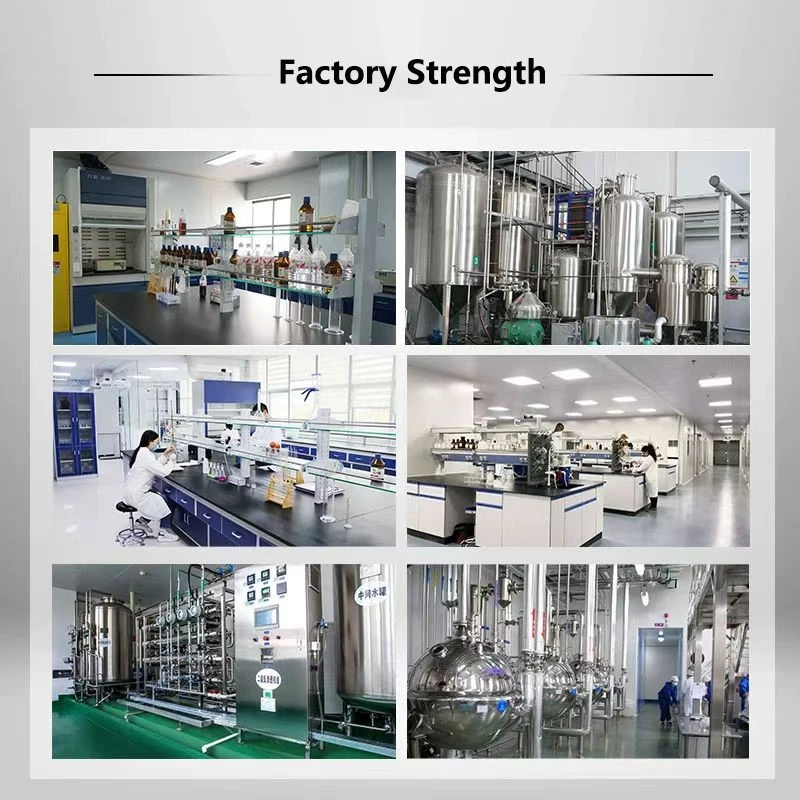
TNJONE provides OEM and ODM services for peptide and intermediate products. The company also supports third-party testing and certification services. For product specifications or purchasing inquiries, contact sales@tnjone.com.
Conclusion
Understanding the chemical structure and physicochemical characteristics of L-carnitine makes raw material evaluation easier.
Its formula is C7H15NO3, its molecular weight is 161.20 g/mol, and its CAS number is 541-15-1. Its crystalline appearance, water solubility, and hygroscopic behavior are important characteristics for storage and processing.
TNJONE has more than ten years of experience in the pharmaceutical raw materials field. Our GMP-compliant factory is located in Huyi District, Shaanxi Province.
We provide custom peptide and intermediate products, OEM/ODM services, and third-party testing support. Our QA and QC teams manage quality control across the product lifecycle.
For L-carnitine powder inquiries, contact us at sales@tnjone.com.
References
National Center for Biotechnology Information. PubChem Compound Summary: L-Carnitine. PubChem CID 10917.
United States Pharmacopeia. Food Chemicals Codex: L-Carnitine. United States Pharmacopeial Convention.
Gandour, R. D., Colucci, W. J., & Fronczek, F. R. (1985). Crystal structures of carnitine and acetylcarnitine zwitterions: A structural hypothesis for mode of action. Bioorganic Chemistry, 13(3), 197–208.
Arya, A., Judy, E., & Kishore, N. (2018). Physicochemical properties of L-carnitine in aqueous solution and its interaction with trimethylamine N-oxide, sodium chloride and dextrose. The Journal of Chemical Thermodynamics, 120, 141–150.
Badawi, A. A., Hegazy, M. M., Louis, D., & Eldegwy, M. A. (2017). Solving manufacturing problems for L-carnitine-L-tartrate to improve the likelihood of successful product scale-up. Acta Pharmaceutica, 67, 511–525.
Zhang, Y., Jiang, H., & Hutson, P. (2012). Stability of Acetyl-L-carnitine in 5% Dextrose Using a High-Performance Liquid Chromatography–Mass Spectrometry Times 2 Method. International Journal of Pharmaceutical Compounding, 16(2), 170–173.